Art Under Empire: Amir Khadar

The Art Under Empire series explores the importance of staying engaged with our artistic/creative endeavors in these precarious times, and why art matters now more than ever! Each featured radical creative answers the same ten questions about the intersection of art, politics and the personal, sharing insights on how and why they stick with it...and why you should, too.
1. Name, pronouns, location, creative medium
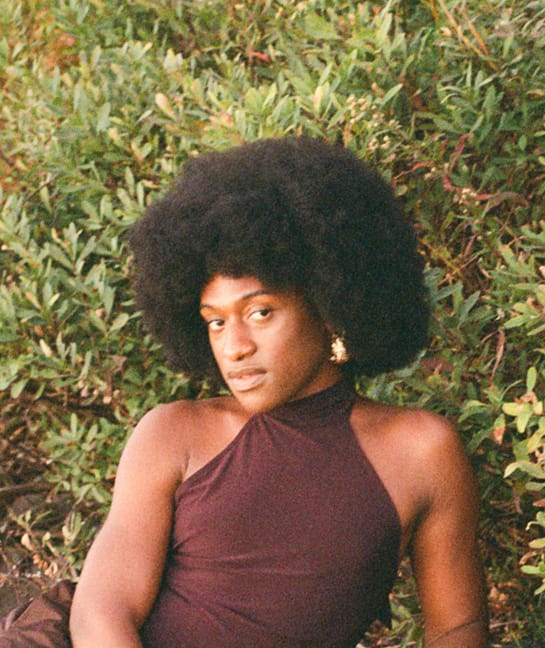
Amir Khadar, they/them.
I’m originally from Minneapolis, MN; currently living nomadically but have spent many years in Philadelphia, PA, and Baltimore, MD.
My mediums are digital illustration, graphic design, weaving, quilting, mixed media.
2. Why is art important during times of political upheaval/community in crisis?
I don’t think there is a situation that artmaking should stop. Art, craft, and design are all fundamental expressions of the human spirit. Art made during moments of crisis captures aspects of our existence that are necessary for shaping historical narratives.
I learned about the Jim Crow South in high school through books and immediately knew it was terrible, but listening to 'Strange Fruit' by Billie Holiday evoked an emotion that academic language could never give me. Reading (and re-reading) Beloved by Toni Morrison, which was based on slave narratives opened a window for empathy where there is no lived experience. Had people stopped making art during tumultuous moments, the narratives of oppressed people would be excluded from the archive. I don’t think we should willingly hand power over to our oppressors and we should always be making art that documents the moment.
3. What are you currently working on?
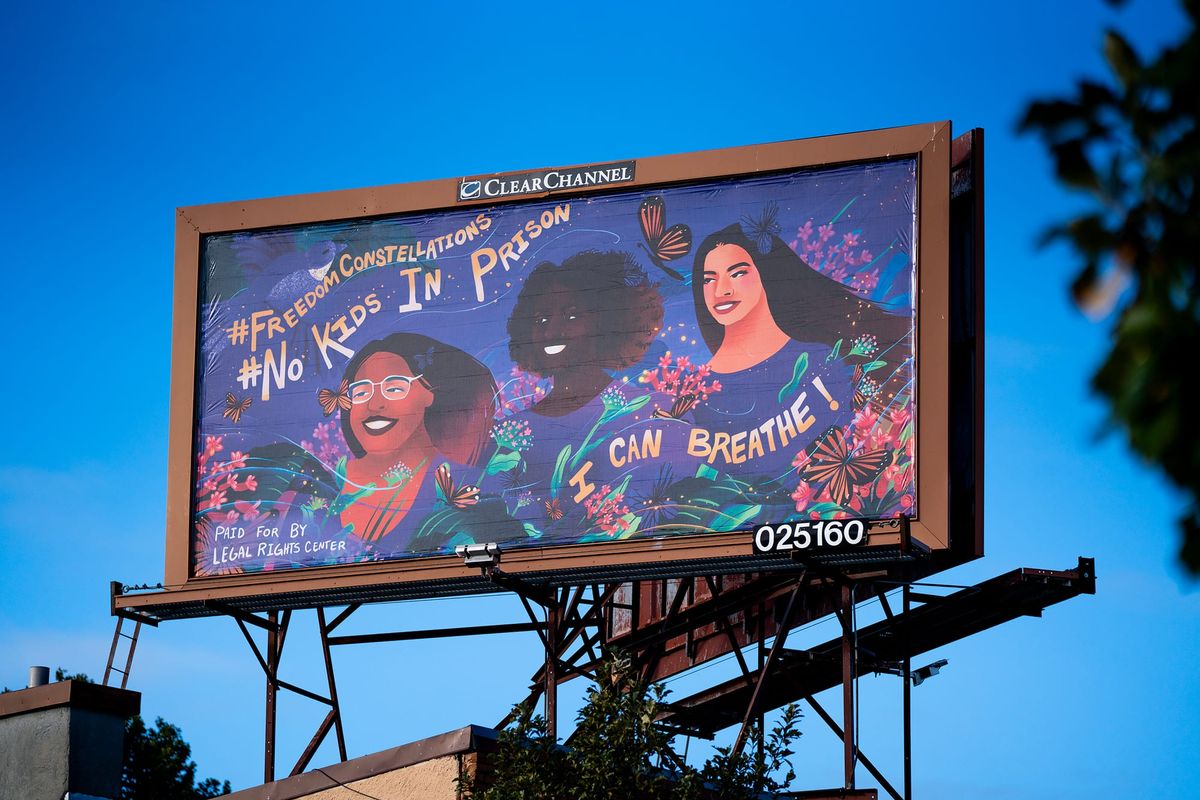
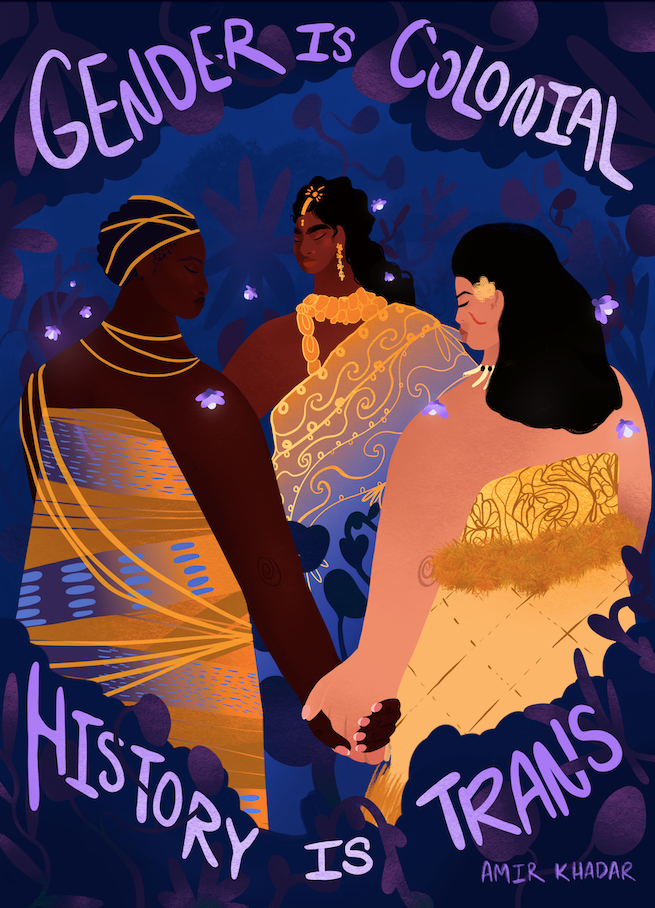
I try to have at least seven contracts open at all times. I’m currently working on a narrative illustration/animation for the Abundant Birth project; their organization gives unrestricted stipends to pregnant people to increase positive outcomes. I’m also working with the San Francisco Arts Commission on a set of bus shelter illustrations that explore the Black & Brown History of San Francisco through housing justice, arts, and archival photos. It will be on Market Street from September to November.
Outside of my work with institutions and organizations, I am expanding my personal textile-based practice through residencies and fellowships. I will be going to Anderson Tower in Redwing, MN this September, and in November I will be in residence at MassMoCA in North Adams, MA
I also make a seasonal syllabus of things I want to learn for personal enrichment; This summer I’m working on enhancing my ability to draw from imagination, deepening my relationship to tarot/archetypes, and finding a format for my writing.
4. What do you want to see more of from the art/creative world?
I’ve been craving robust physical politicized art spaces. When I was a teenager, I witnessed so many artists participating in communalist DIY spaces that operated as spaces for community building, mutual aid, idea exchange, collaboration, and anything else that exemplified the power of creative collaborations. They shaped what I imagined it meant to be an artist. I had no clue where they got funding. Many of these spaces disappeared right before or during the pandemic shutdown period. I think lacking these spaces has contributed greatly to the censorship and control of artists.
I think instead of going to these spaces for validation and community, artists with radical beliefs are making “neutral” art and self-censoring to appeal to gallery spaces (myself sometimes included), and white supremacist social media algorithms. This forces artists, who can easily exist adjacent to capitalist power structures. It makes the subjugation look more alluring than other options.
I consider this as apart of the greater anti-intellectualism movements that are penalizing critical thinking and imagination.
5. How has your work been impacted or influenced by this particular time we’re living in?
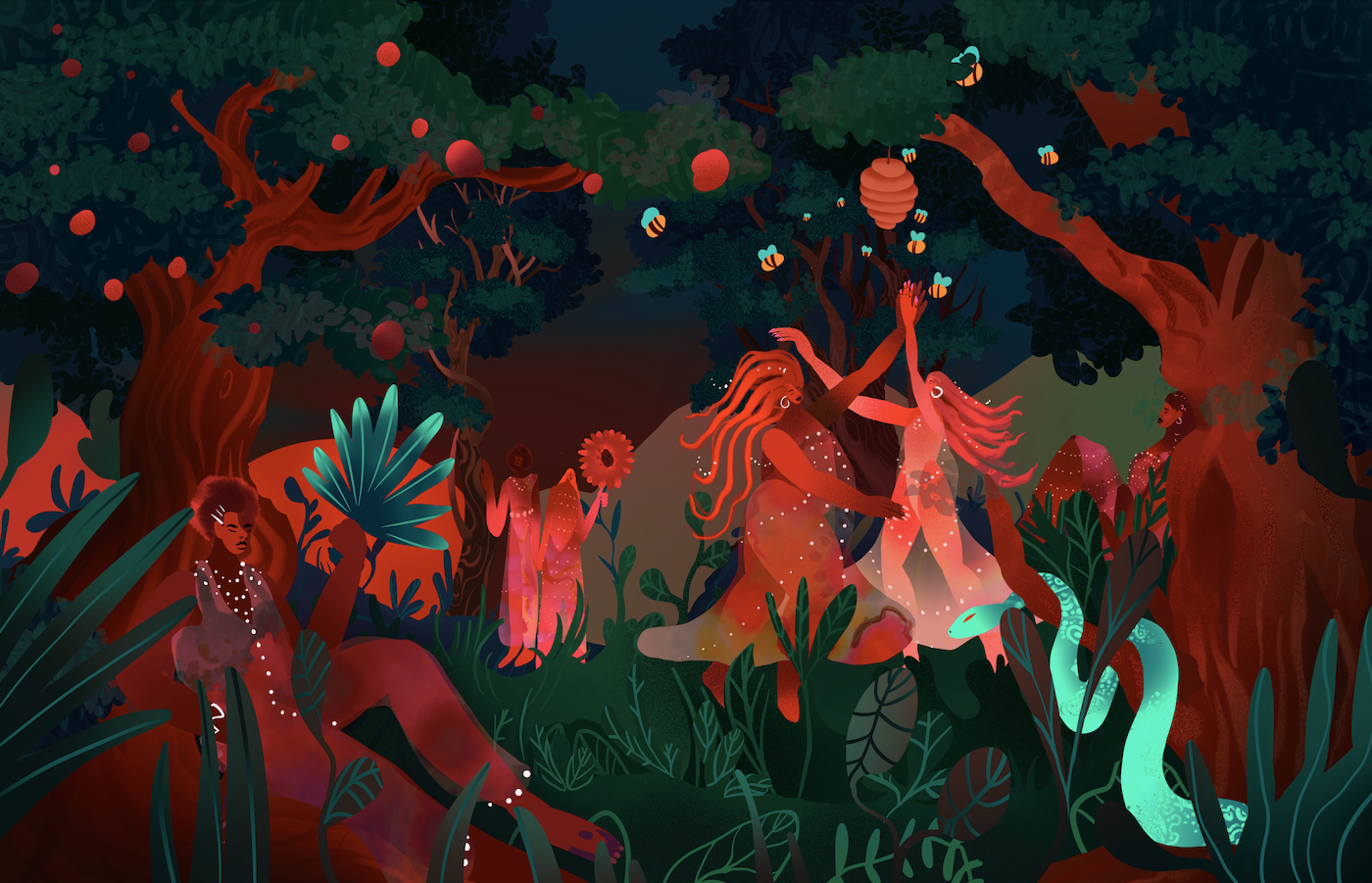
Yes, I think every aspect of my art practice is influenced by what I was interacting with at that time. Particularly, witnessing other artists, thinkers, and justice movements has always been my main source of inspiration. There has been a hyperfocus on representation and ecological disaster for my adolescence and adulthood, and it has drawn me and other artists to address ecology and self-definition/counternarrative creation in our work.
This hyper-focus on representations unfortunately led to a lot of very clunky and questionable depictions of marginalized people that centered our traumas. Witnessing this art gave me a mission to create work that held the dreams, feelings, and lived experiences of my immediate community, family, and friends. I was already present in social change spaces and specifically positioned myself as an artist close within ongoing movements addressing issues that were close to our hearts – environmental justice, islamophobia, the prison industrial complex, gender and sexuality discrimination, white supremacy, and xenophobia. I believe representation on its own is not liberatory praxis, so it has always been important that I worked within and adjacent to existing movements.
6. Re: the intersection of art and activism: can good art be nonpolitical?
No. Non-political art does not exist anymore. In the contemporary (or since the 60’s at least), all art is political, and good artists are aware of their contexts. Artists framing their practices as non-political generally believe whiteness and the European canon are politically neutral, and they are not.
I think of “political“ as any influence reacting to or created by hierarchical power systems. Art is a series of choices which are all subject to political influence. I see every piece I make as propaganda because of this. Every time I make something that has human figures, I approach it as a dangerous and complex task. For example, if I was prompted to make an image of Black liberation, how do I decide who to include? What is their gender, and how do I depict it? What about skin color? Size? Adornemnts? These questions have many correct answers and frequently change but I do my best to be aware and create images that carry my belief systems and dreams, rather than create propaganda for the oppressor.
While knowing this, I simultaneously still believe art is a part of human nature, and everyone should make the art that pleases them. I don’t think everyone needs to be an artist-activist; there are many dimensions to the human spirit that need to be depicted, and not every art piece is meant to resonate with everyone.